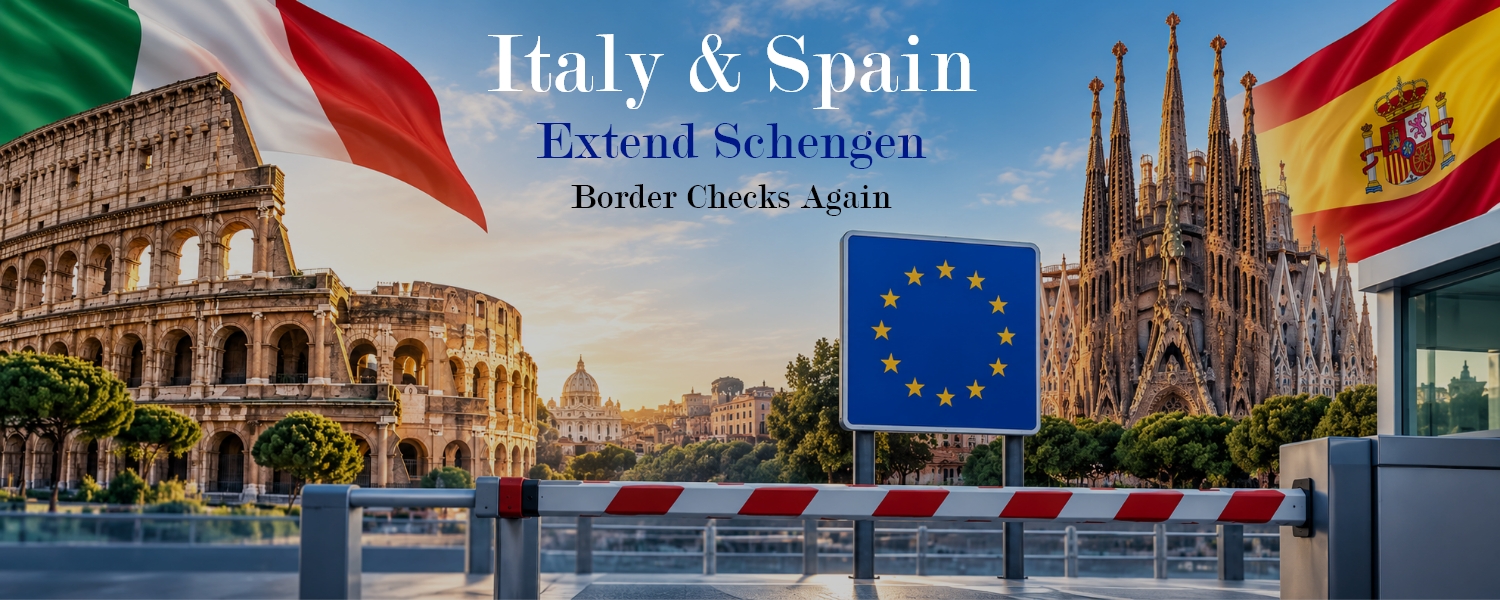

Italy and Spain have extended their temporary border checks for another 15 days, continuing an unprecedented standoff within Europe’s Schengen Area nearly two months after the deadly migrant surge in Spain’s North African enclave of Ceuta.
The extension requires travelers crossing between the two countries by air and sea to undergo identity and passport checks.
Italy and Spain continue these measures despite being part of the Schengen Zone, which normally allows passport-free travel across most European countries.
Why Are the Border Checks Continuing?
Italy reintroduced temporary border controls on July 31 after more than 72,000 migrants crossed into Ceuta from neighboring Morocco, triggering a major humanitarian and political crisis.
Italy’s Interior Ministry approved the extension, citing ongoing “significant risks to internal security” and a potential threat of terrorist infiltration. The government says these unresolved security concerns continue to justify the border measures.
Spain Responds with Reciprocal Measures
Following Italy’s initial decision, Spain introduced reciprocal border checks on passengers arriving from Italy by air and sea.
With Italy extending its controls once again, Spanish authorities have decided to mirror the move, keeping their own temporary checks in place for another 15 days.
Although transport links remain fully operational, passengers may experience additional identity and document verification at ports and airports before boarding or upon arrival.
These measures do not suspend travel between the two countries but temporarily limit the usual ease of movement guaranteed under the Schengen Agreement.
A Rare Challenge to Schengen Free Movement
The Schengen Area is one of the European Union’s most significant achievements, allowing millions of people to travel across participating countries without routine border checks.
However, EU rules permit member states to temporarily reintroduce internal border controls if they face a serious threat to public policy or internal security.
Such measures are intended to remain exceptional, proportionate, and time-limited, making the prolonged Italy-Spain standoff highly unusual.
Ceuta Crisis Continues to Shape European Migration Policy
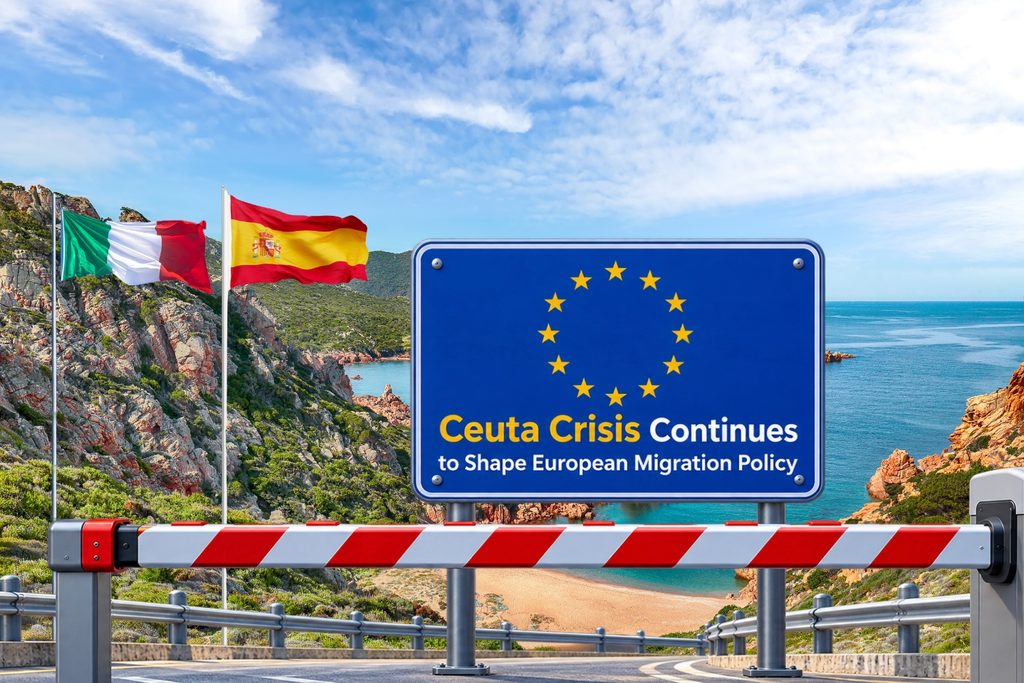
The border dispute remains closely tied to the migration crisis that unfolded in Ceuta earlier this summer. While many migrants have since returned to Morocco, thousands are still believed to remain in the enclave, leaving humanitarian and political challenges unresolved.
The crisis has intensified debates across Europe over migration management, border security, and the balance between protecting free movement within the Schengen Area and responding to national security concerns.
As a result, the temporary border checks between Italy and Spain continue to serve as one of the clearest examples of how migration pressures can influence the functioning of Europe’s border-free travel system.
Original Sources
- https://www.reuters.com/world/italy-extends-schengen-suspension-with-spain-for-another-15-days-2026-09-15/
- https://apnews.com/article/92dc26ce21c112ccb37ba4e62e6da2a0
- https://economictimes.indiatimes.com/news/international/global-trends/schengen-on-ice-italy-and-spain-extend-their-border-standoff-for-another-15-days-two-months-after-the-deadly-ceuta-migrant-surge/articleshow/134270369.cms